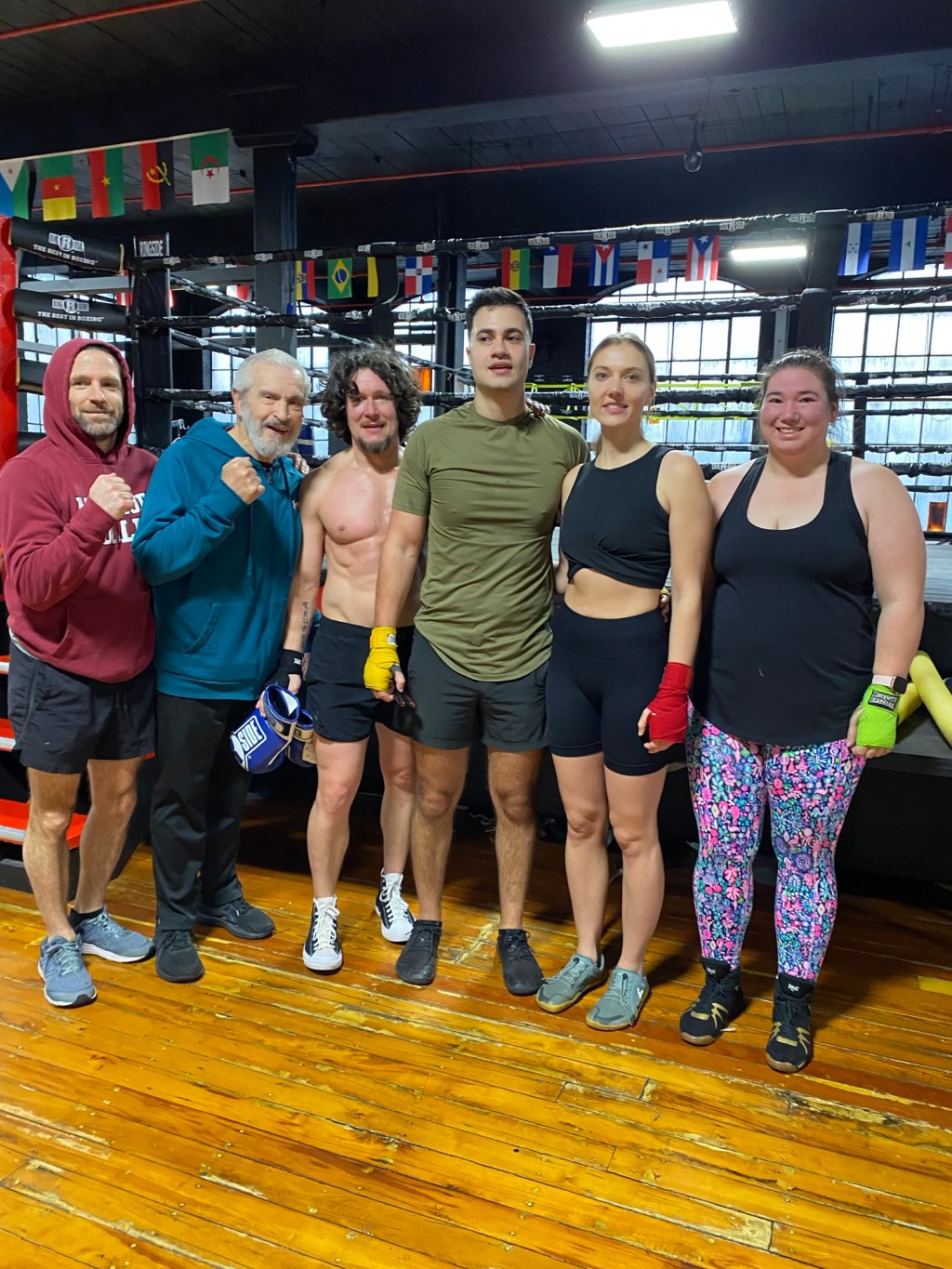
The ultimate fitness setup isn’t just one thing—it’s a strong foundation in the gym plus real-world athletic play that keeps you sharp, social, and excited to move.
If you enjoy yoga, Pilates, boxing on the weekends, pickleball with friends, hiking, swimming, cycling, or any active pursuit that feels more like play than “exercise,” you’re already ahead of most people. These activities bring huge benefits: better mobility, coordination, fun, community, and that feeling of actually using your body in the real world.
But here’s the good news—they become even more powerful when you build them on top of a solid strength and conditioning program. Think of traditional lifting, steady-state cardio or intervals, and basic power work as the engine. The fun stuff? That’s the high-octane fuel that takes your athleticism, enjoyment, and long-term results to another level.
Why a Balanced Strength & Conditioning Base Matters Most
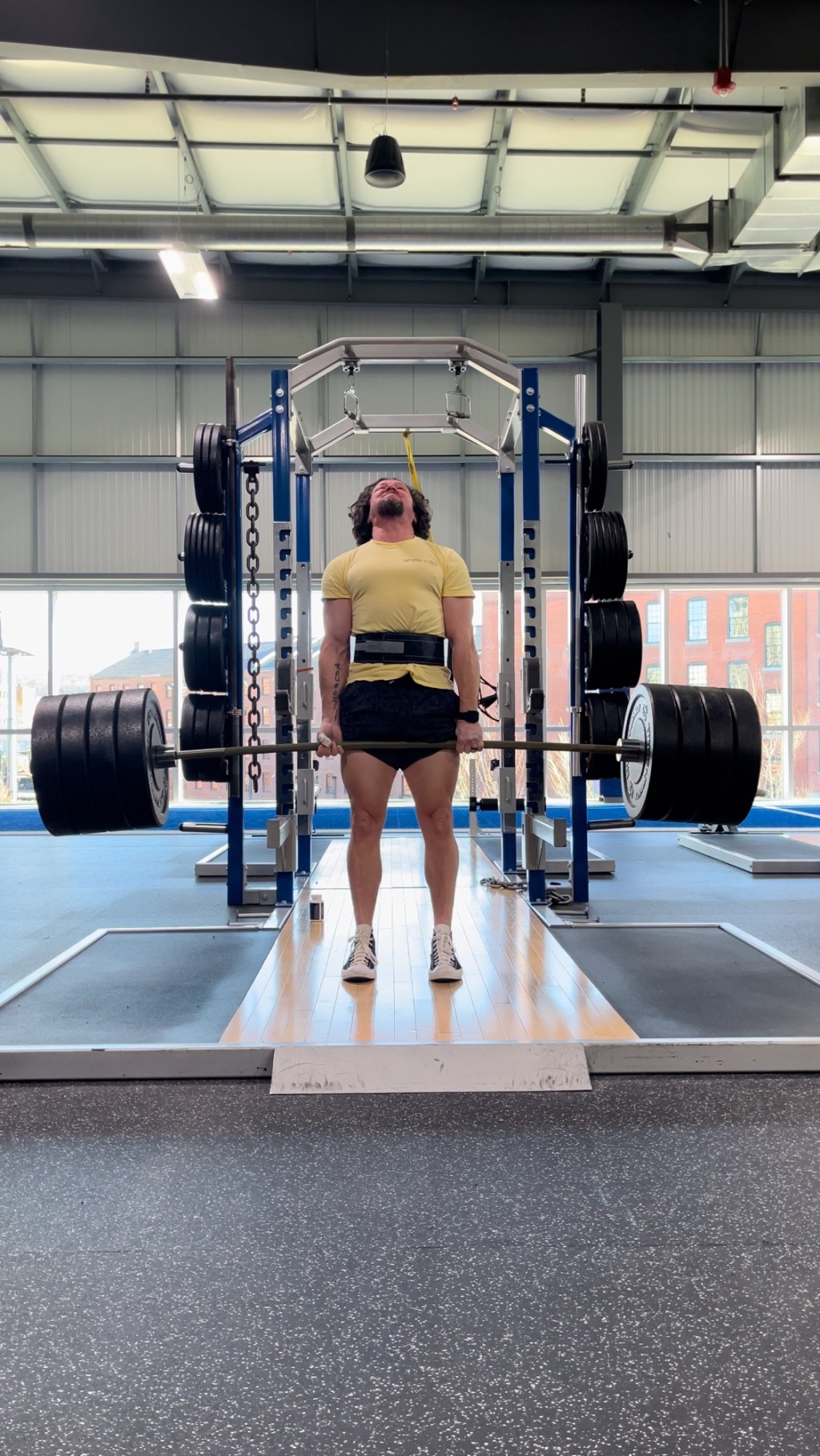
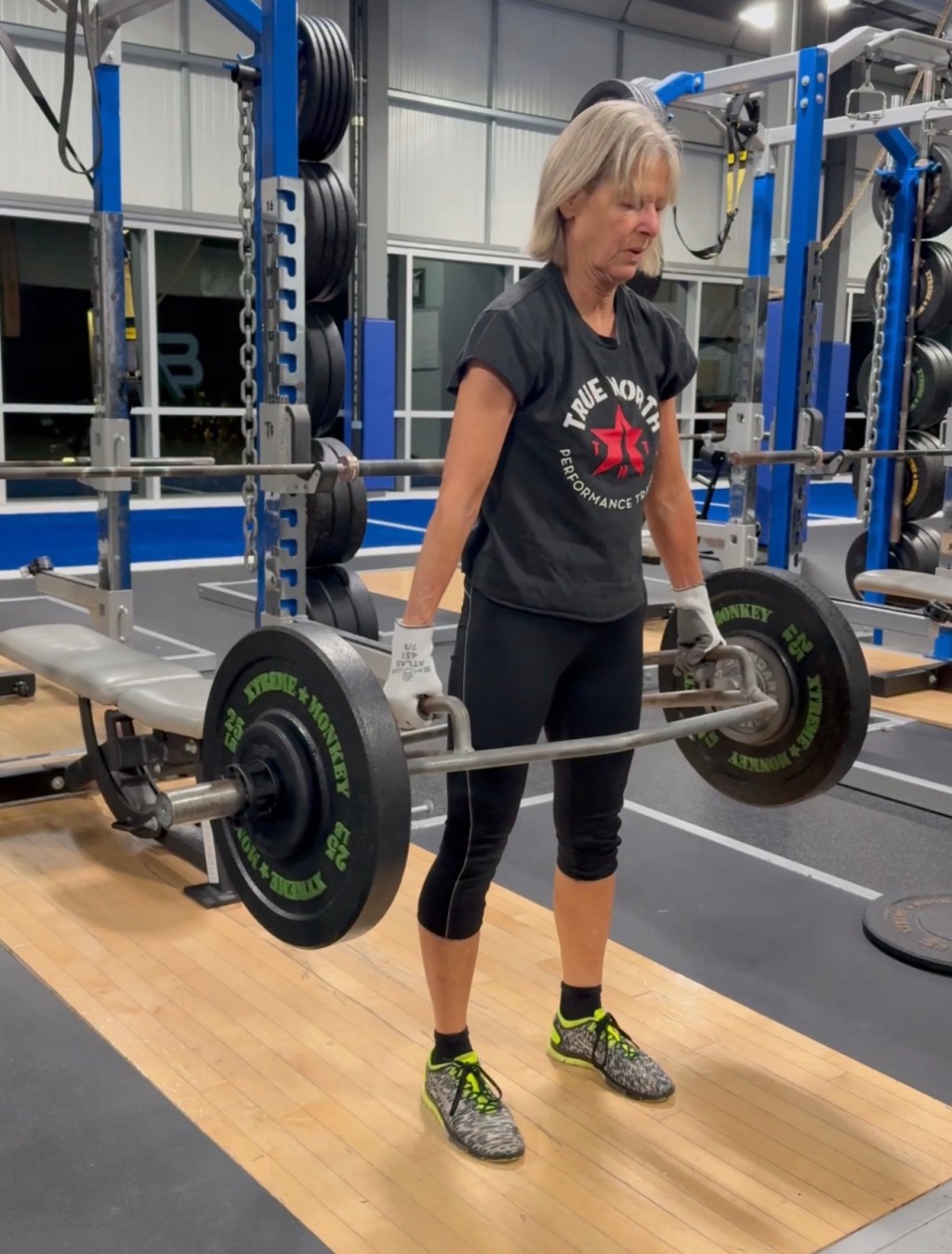
Real progress and lasting capability come from consistent strength training. Squats, deadlifts (or variations), presses, pulls, lunges, and carries build the raw muscle, bone density, joint strength, and power that let you move confidently for decades—not just look good for a season.
Add in some dedicated cardio work—whether it’s steady-state runs, bike rides, or intervals—and you develop the engine to sustain effort without gassing out. This foundation protects you from injury, improves posture and daily function, and creates the platform for everything else.
Without this base, even the most enjoyable activities can only take you so far. You might get decent cardio and some coordination from pickleball or boxing, but you’ll miss out on maximizing strength, explosive power, and the ability to keep progressing year after year.
How Yoga, Pilates, Boxing, Pickleball & Other Sports Supercharge Everything
Once you have that strength and conditioning foundation, adding “fun” athletic activities turns good fitness into great athleticism. Here’s what they bring to the table:
• Mobility, Flow & Body Control (Yoga & Pilates): These help with flexibility, core stability, breathing, and smoothing out movement patterns. They complement heavy lifting by improving range of motion and helping you recover better between hard sessions. Many athletes use them strategically—not as their only workout, but as a smart addition that keeps the body balanced and resilient.
• Power, Speed, Agility & Coordination (Boxing): You already know this one firsthand. Boxing (even if you’re not trying to step in the ring competitively) delivers full-body power from the ground up, sharp reflexes, footwork, and mental toughness. It builds muscular endurance and hand-eye coordination that pure gym work doesn’t always hit. Pairing it with strength training makes your punches (or any explosive move) stronger and more efficient.
• Quick Reactions, Lateral Movement & Strategy (Pickleball): This fast-growing sport is a fantastic mix of cardio, agility, balance, and light strength demands. It gets you moving in multiple directions, improves reaction time, and burns calories while you’re having fun with friends. It’s social by nature, which keeps people coming back—something a solo gym session sometimes lacks.
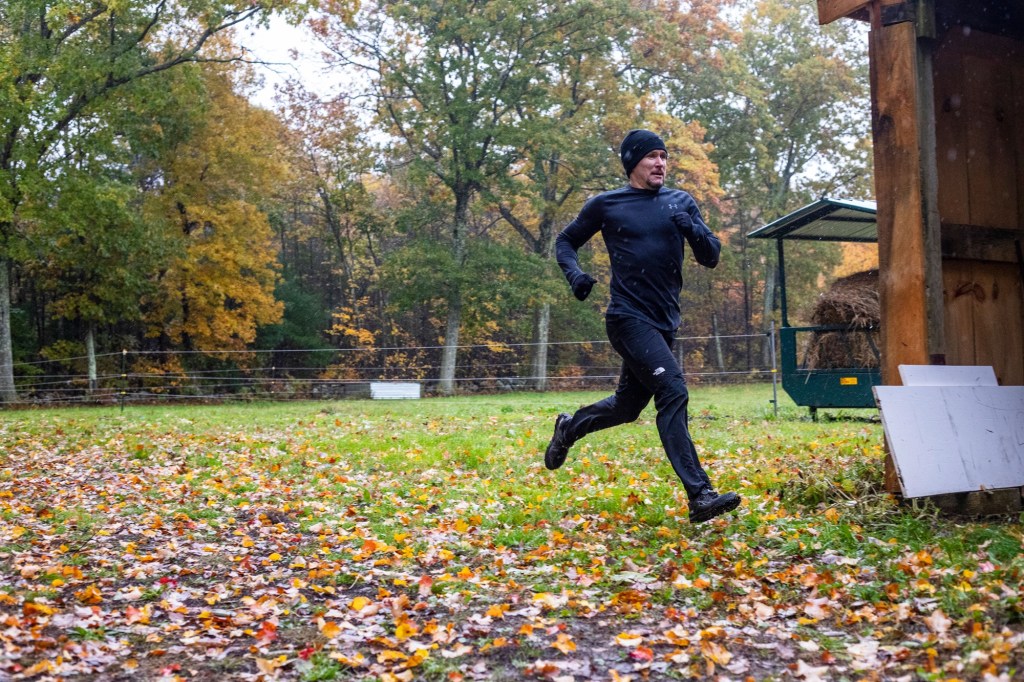
• Endurance, Mental Reset & Exploration (Hiking, Running, Cycling, Swimming): These outdoor or rhythmic activities build aerobic capacity, mental clarity, and a connection to your environment. They’re perfect for active recovery days or as steady-state cardio that feels less like “training” and more like adventure.
The magic happens in the combination. Strength training gives you the muscle and power. Cardio builds the engine. Then sports and active pursuits add the skill, variety, speed, agility, and joy that make fitness sustainable and athletic. You develop well-rounded capability: strong enough to lift heavy, conditioned enough to go long, and athletic enough to play hard without feeling limited.
Sample Weekly Setup That Actually Works
Here’s a simple, realistic way to put it together (adjust based on your schedule and recovery):
• 3–4 days Strength Training: Focus on big compound lifts (squats, hinges, presses, rows/pulls, carries). Keep it progressive—add weight or reps over time. This is your non-negotiable foundation.
• 1–2 days Dedicated Cardio/Intervals: Steady runs, bike rides, or short high-effort intervals to build work capacity.
• 1–3 “Fun” Sessions: Boxing class, pickleball league, yoga/Pilates flow, hiking, swimming—whatever lights you up. These are where you practice athleticism, build community, learn skills, and enjoy movement.
• Recovery & Mobility: Use lighter yoga or Pilates-style work as active recovery if it feels good. Listen to your body—rest when needed.
If you’re mostly doing the fun activities right now and skipping the heavy lifting, consider adding 2–3 solid strength sessions per week. You’ll likely notice faster progress in your sport, better energy, and protection against plateaus or nagging issues. The ultimate setup? Strength + conditioning inside the gym (or at home) plus real athletic play outside it.
The Bottom Line: Build the Foundation, Then Play
Fitness doesn’t have to be all grind or all gimmick. The smartest, most enjoyable path is building real strength and work capacity first, then layering on activities you actually love—whether that’s boxing on weekends, pickleball with buddies, yoga for mobility, or trail runs that clear your head.
You get the best of both worlds: the raw capability from traditional training, plus the coordination, power, speed, agility, social connection, and pure fun that sports and active pursuits deliver. That combination doesn’t just make you fitter—it makes you a more complete, capable, and athletic human being.
What’s one “fun” activity you already enjoy? Drop it in the comments—I’d love to hear how you pair it with your strength work. And if you’re ready to level up, start simple: add a couple of focused lifting days and watch how much better everything else feels.
Train hard, play harder, and keep moving.
 RUN LIFT HIKE
Leave a comment