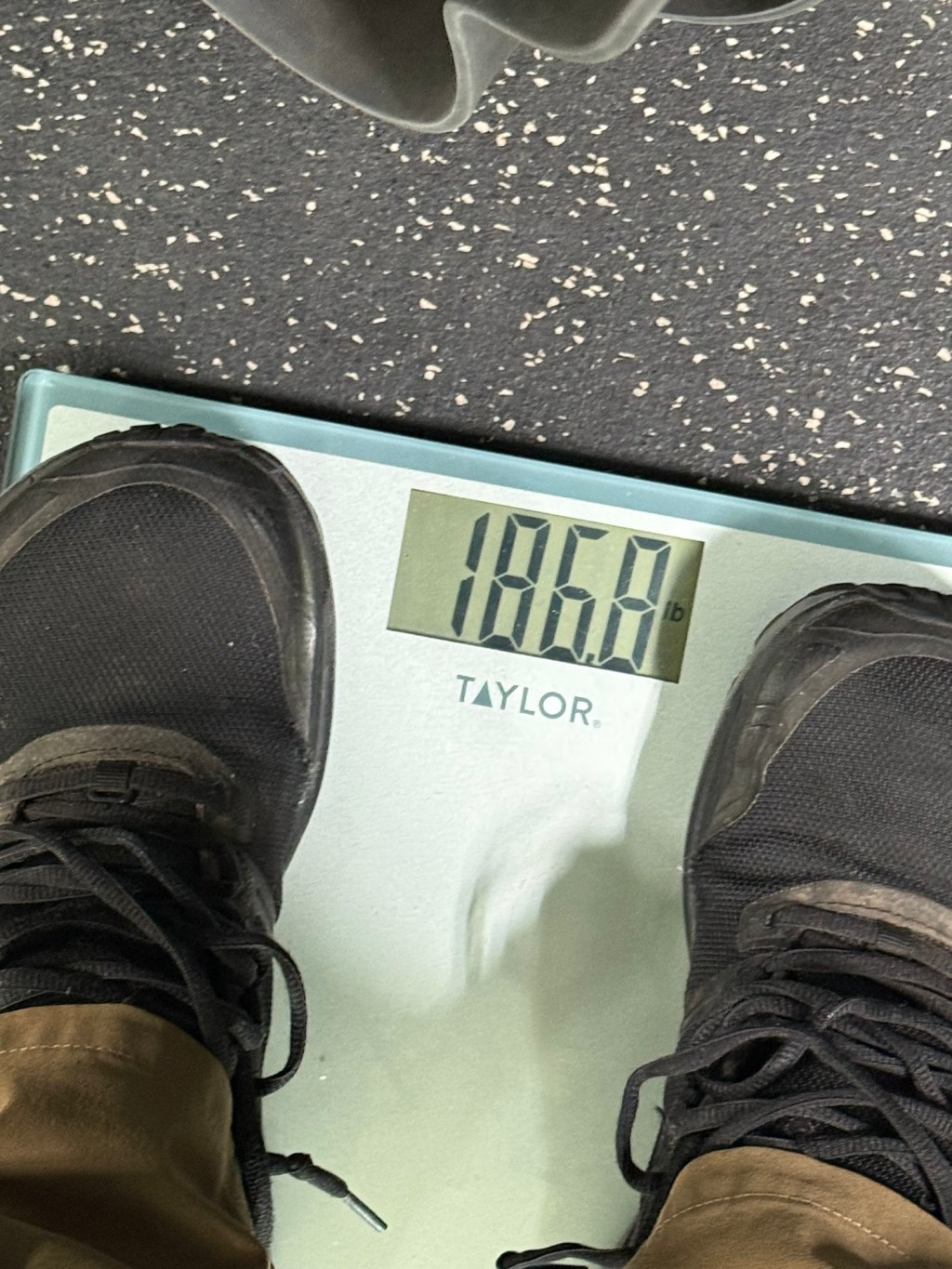
If you’re serious about losing weight and getting healthier, forget quick fixes and crash diets. Real, lasting results come from a progressive, multi-stage approach that builds better habits over time. Here’s a practical roadmap that starts simple and gets more refined as you go.
Step 1: Track Your Baseline – Know Where You Stand
Before making changes, get honest data. Track everything you eat and drink for a full week—including weekdays, weekends, evenings, and any snacks. A consistent lunch at work means little if weekends or late nights lead to big surpluses.
Use a free app like MyFitnessPal or Cronometer. This reveals your average daily and weekly calorie intake and uncovers hidden calories (especially in drinks). Once you have that baseline, you’re ready to create a deficit.
Step 2: Create a Moderate Calorie Deficit (The Foundation of Fat Loss)
To lose about one pound per week on average, aim for a deficit of roughly 3,000 calories per week—or 300–500 calories per day. Start by cutting liquid calories: juices, sodas, fancy coffees, beer, and alcohol. This single change often delivers the full 300–500 calorie reduction with minimal effort.
As your body weight drops, your calorie needs decrease, so plateaus are normal. Reassess and create another small cut when progress stalls.
Step 3: Upgrade to Whole Foods
Processed foods are hyper-palatable and easy to overeat in large quantities. Switch them out for whole foods—lean meats, fruits, vegetables, eggs, and plain starches like rice or potatoes. These are filling, nutrient-dense, and much harder to overeat.
Focus on volume: Load your plate with non-starchy vegetables. This stage naturally lowers sugar intake and improves satiety.
Step 4: Prioritize Protein
Protein is your secret weapon. It has the highest thermic effect—your body burns 20–30% of its calories just digesting and processing it (compared to 5–10% for carbs and 0–3% for fats). Higher protein intake boosts satiety, helps preserve muscle, and slightly increases daily calorie burn.
Replace some carbs with lean proteins (chicken, turkey, fish, eggs, Greek yogurt, cottage cheese, or plant-based options like pea protein). Aim for 0.7–1.0+ grams of protein per pound of body weight (or about 1.6–2.2+ g per kg). For many people cutting, targeting closer to 1 gram per pound of body weight works well.
Even if total calories stay similar, this swap makes your diet more efficient for fat loss. Watch added sauces, oils, and seasonings—they add calories fast.
Step 5: Add Exercise – Strength Training + Cardio
Diet drives most fat loss, but training accelerates results and protects muscle.
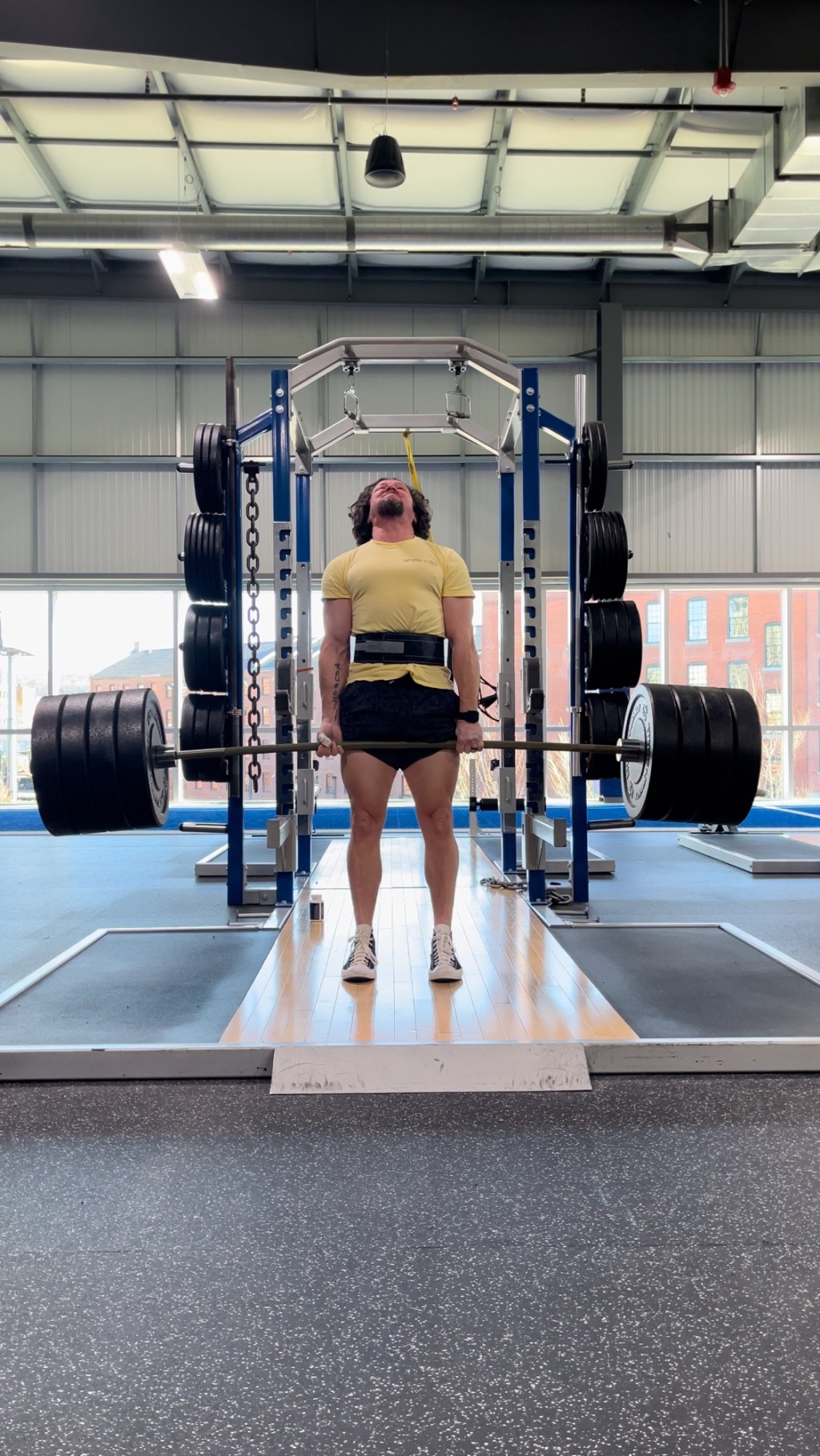
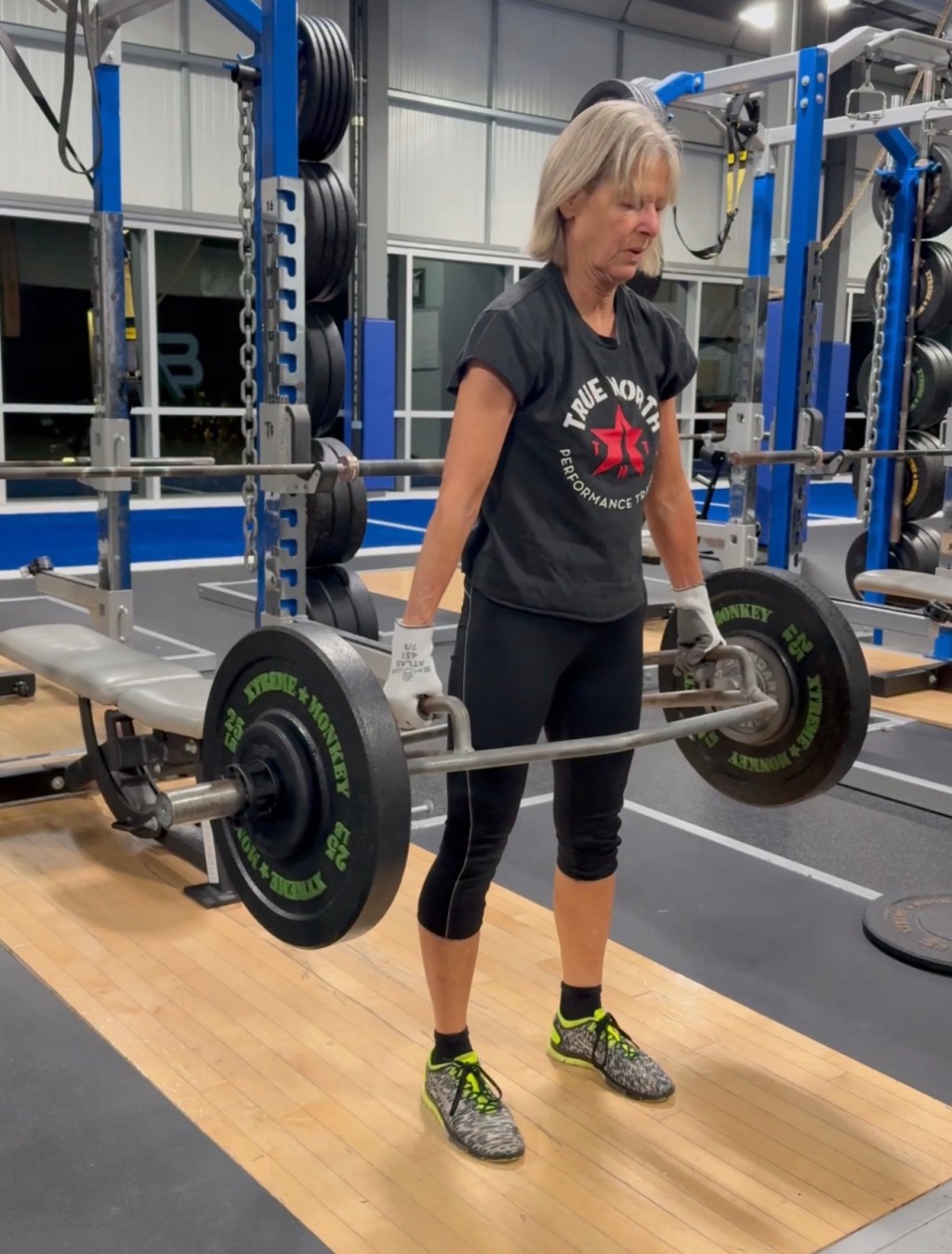
• Strength training: Start with at least 2 days per week and build toward 4–5 if possible. Compound lifts (squats, deadlifts, presses, rows) are highly effective.
• Cardiovascular work: An hour of moderate-to-hard cardio can burn around 300–600 calories depending on intensity and body weight. Aim to build up to several sessions per week.
As you get fitter, your workouts become more efficient. Combine both modalities for the best body composition changes.
Step 6: Optimize Recovery and Address the Basics
If progress still slows after the above steps, focus on recovery:
• Sleep: Get 7–9 hours per night. Poor sleep disrupts hunger hormones (increasing ghrelin and decreasing leptin), raises cortisol, and can sabotage fat loss.
• Stress management: Practices like meditation, yoga, stretching, mobility work, or massage help lower cortisol, reduce fluid retention, and curb emotional eating.
• Blood work: Visit your doctor for a full panel. Check for nutrient deficiencies, thyroid issues, hormonal imbalances (e.g., cortisol, insulin, testosterone/estrogen), or other factors that could be holding you back.
These steps turn good efforts into optimal performance.
The Long Game: Time, Patience, and Consistency
Weight loss isn’t a short sprint—it’s a marathon of small, sustainable changes. Each stage (cutting liquids, cleaning up processed foods, boosting protein, adding training, optimizing recovery) can take weeks or months to fully dial in. You’ll experiment with meal prep, weekend strategies, handling eating out, and finding workouts you enjoy.
Throughout the process, you’ll be losing weight steadily. The key is consistency over perfection. This isn’t a temporary fix; it’s building a healthier lifestyle for life.
Track progress beyond the scale: energy levels, how clothes fit, strength gains, and overall well-being matter too. Celebrate non-scale victories.
Final Tips for Success
• Aim for 0.5–1 pound of loss per week for sustainable fat loss without excessive muscle loss.
• Reassess every 4–6 weeks as your metabolism and needs change.
• Stay hydrated, manage portions mindfully, and don’t drop calories too low (generally not below 1,200–1,500/day long-term without guidance).
• If you’re consistent but stalled despite doing everything right, consult a doctor or registered dietitian.
By following these layered steps—tracking → deficit (starting with liquids) → whole foods → high protein → training → recovery—you’ll create habits that not only help you lose weight but keep it off while improving your overall health.
This approach takes time, but that’s the point: real change that lasts.
Ready to Take the Next Step?
If you’re working through any of these stages and want personalized guidance, have questions about tracking, meal ideas, workout programming, or just need accountability to stay consistent, I’m here to help. Feel free to reach out—whether it’s a quick question or you’re looking for one-on-one coaching to dial in your plan and hit your goals faster. Drop a comment below, send me a message, or book a consultation. Let’s build the sustainable results you’re after.




 RUN LIFT HIKE
Leave a comment