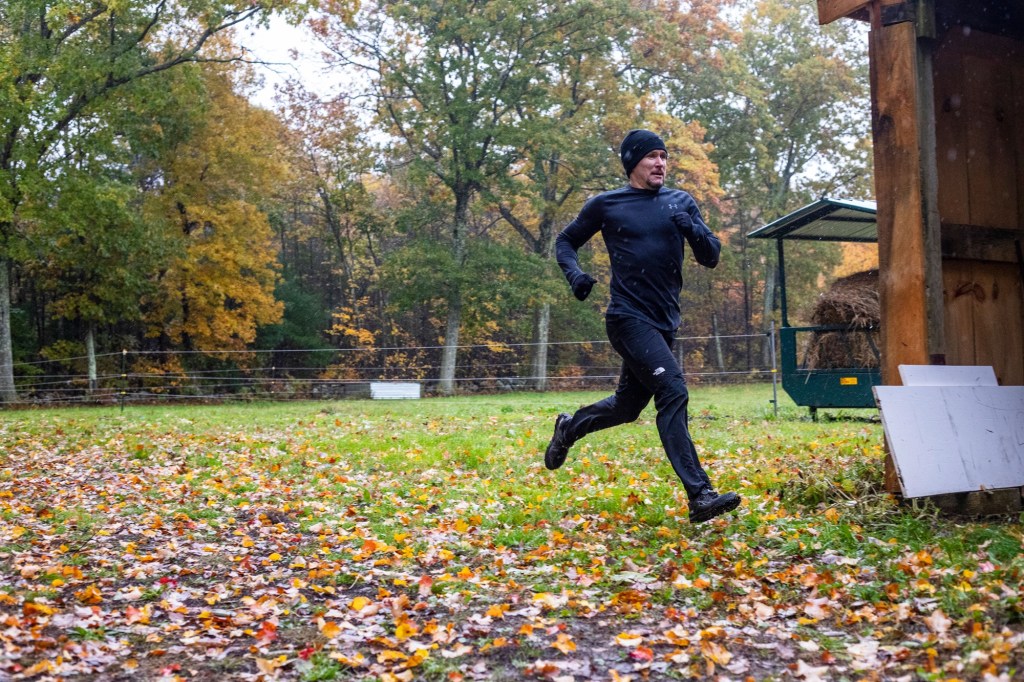
Trail running has been woven into my life for as long as I can remember. It started back in high school cross-country, but even before that, I was hooked on running. I still smile thinking about my first race at 2 years old —the one-mile fun run at the Fallon Road Race, tagging along while my mom tackled the main event. From there, it was mostly road running like everyone else at first. But once I discovered trails, there was no turning back.
In the military, we logged plenty of miles on roads, but the real resets for my head and body came on hard-packed dirt trails in the desert or through wilderness areas. Whether it was the heat of the desert or the thick jungle, heading out for an outdoor trail run was my go-to for clearing the mind. Running has always been more than fitness for me—it’s therapy, focus, and freedom.
That said, not every training day needs to be an adventure on unpredictable terrain. When it comes to building raw fitness, especially for those big mountain ultras coming up this summer, I’ve found the treadmill—particularly with a steep incline—is often the superior tool.
The Case for Treadmills: Consistency, Control, and Joint-Friendly Gains
Early on, my running was all about the outdoors. But over time, I realized the treadmill shines for targeted fitness work. It’s consistent: every step is the same, with no frost heaves, rocks, roots, mud, or puddles to navigate. You can dial in exact speed, incline, and duration. Many models offer shock absorption, which means less pounding on your knees and joints compared to pounding pavement or rough trails.
No dodging traffic on icy city sidewalks or hunting for the “perfect” trail when conditions are treacherous. In winter, when roads narrow, trails bury under feet of snow, and temperatures drop, the treadmill lets me get the workout done efficiently and safely. I’ve trained outdoors in freezing conditions and even raced snowshoes regardless of the temp—but if I have a choice, above 40 degrees feels a lot better. When it’s icy or just plain miserable, hopping on the treadmill means I stay consistent without the hassle.
Lately, I’ve been leaning heavily on commercial treadmills that max out at 15% incline. As soon as I can, I crank it up and just go—marching, power hiking, or light jogging for miles. It’s not quite the steepest pitch on the gnarliest mountain, but sustaining that grade for hours is incredibly hard to replicate outside without driving far or dealing with constant ups, downs, turns, and technical sections that force you to slow, walk, or stop.
On real trails or hills, you rarely get long, uninterrupted climbs. The treadmill gives you exactly that: steady 15% grade, whatever pace you choose, for as long as you want. No variability slowing you down. I’ve been experimenting with paces from 2 to 4 mph—around 3.5 mph turns into a light jog for me, while slower speeds let me pound out the march. The leg pump and fitness gains are unreal.
Treadmill for Fitness, Trails for Specificity
Here’s my philosophy, forged from years of ultramarathon training and coaching others: Use the incline treadmill to supercharge your base fitness, especially in winter. Then shift to outdoor trails for race-specific preparation.
• Treadmill strengths: Pure aerobic and strength building. Steady power output on sustained climbs improves climbing efficiency, leg strength (quads, glutes, calves), and mental toughness without the distractions. You can do intervals, tempo efforts, or long grinds while progressively overloading. It’s perfect for hill days—instead of short repeats with recovery on the downs, you hammer uphill the whole time. Less risk, more control, and you can focus purely on effort and pacing.
• Trail strengths: Agility, proprioception, and mental prep. You need time on technical terrain to handle rocks, roots, mud, slippery sections, loose gravel, and variable conditions. The first time you encounter those shouldn’t be race day. Long runs and key sessions outdoors simulate the race environment—exposure to sun in the desert, elevation changes with real ups and downs, and the mental game of navigating.
In winter, when options near home aren’t ideal or safe, the treadmill keeps the engine tuned. Come spring and summer, mix in trail runs that mimic your target race as closely as possible.
This hybrid approach has worked wonders for my mountain race prep. The treadmill builds the engine; the trails teach it to drive on rough roads.
Sample Incline Treadmill Sessions for Mountain Ultras
If you’re training for hilly or mountainous ultras, try these (always warm up properly and listen to your body):
• Steady Grind: 45–90+ minutes at 15% incline. Start at 2.5–3.5 mph (power hike) and gradually increase pace if it feels good. Build time over weeks.
• Intervals: Alternate 3–10 minutes hard (faster hike or light jog) with easy recovery. Or mix speeds every few minutes.
• Power Hike Focus: March at 2–3 mph on max incline, adding a weighted vest for extra strength if you’re prepping big vert.
• Progression: Start shorter and build. Even 20–30 minutes at 15% can deliver big benefits when done consistently.
Many elite trail and ultra athletes use similar “treadhill” sessions for exactly this reason—sustained climbing without the terrain tax.
Final Thoughts: Build Smart, Race Strong
Running has taken me from high school tracks and military paths to desert trails, jungle routes, and now preparing for summer mountain ultras. The treadmill isn’t a replacement for the joy of trail running—nothing beats being out there—but it’s an incredible ally for consistent, targeted training, especially when winter throws curveballs.
Supercharge your fitness indoors on the incline treadmill all winter. Then get outside to dial in the agility, technical skills, and race simulation you need. It’s a balanced approach that keeps you healthy, strong, and ready to perform when it counts.
If you’re looking to level up your own ultramarathon or trail running training—whether it’s building that winter base, crafting a personalized plan, or coaching through the unique demands of mountain races—reach out. As a personal trainer with years of ultra experience, I help runners like you blend the best of both worlds for peak performance.
What’s your go-to winter training hack? Drop a comment below—I’d love to hear how you stay consistent when the trails are buried.

 RUN LIFT HIKE
Leave a comment